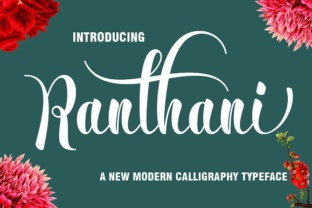
Ranthani: The Expressive Handwritten Font for Boutique Branding
If you are looking to elevate your small business identity, Ranthani is a handwritten calligraphy font that brings an authentic, personal touch to every design project. As a fellow entrepreneur who has struggled to make my brand look cohesive across various platforms, I found that choosing the right Fonts can be the difference between looking like a hobbyist and appearing as a established professional. Ranthani stands out because it is versatile and has an expressive look, making it perfect for businesses that want to convey warmth, creativity, and high-quality craftsmanship.
In this guide, I will share how I integrated this script into my daily operations, from product labels to social media graphics, helping you understand why this specific typeface might be the missing piece in your brand identity toolkit.
Ranthani for Logo Design and Business Card Elegance
When first exploring Ranthani, I realized its potential immediately when designing my primary logo. A logo needs to be memorable, and using a Script Handwritten style helps humanize a brand instantly. Unlike rigid geometric fonts, Ranthani mimics the natural flow of ink on paper, which suggests that real people are behind the business. This is crucial for building trust with customers who value authenticity.
I used Ranthani as the focal point for my business cards, pairing it with a clean, minimal sans-serif font for contact details. This contrast ensures that while the brand name feels artistic and unique, the essential information remains highly readable. For service providers like coaches, consultants, or freelance designers, having a logo that feels handcrafted rather than corporate can help you stand out in a crowded market. It signals that you pay attention to detail and care about the aesthetic experience of your clients.
Ranthani for Product Packaging and Label Design
One of the most practical applications I found for Ranthani was in packaging design. Whether you sell handmade candles, organic skincare, or artisanal food items, your label is often the first physical interaction a customer has with your brand. A generic template can make even a premium product look cheap, but a custom-designed label using an expressive typeface adds perceived value.
I tested Ranthani on various mockups for product stickers and jars. Its legibility at smaller sizes is surprisingly good, provided you don’t overcrowd the design. For boutique owners, using Ranthani on thank-you cards included in packages creates a delightful unboxing experience. It turns a simple transaction into a personal note from the maker. When customers see handwriting-style fonts, they subconsciously associate the product with care and effort, which encourages repeat purchases and positive reviews.
Ranthani for Social Media Graphics and Digital Ads
In the digital space, grabbing attention quickly is essential. Ranthani offers a versatile solution for creating eye-catching social media content. I use this font primarily for headlines in Instagram posts, Pinterest pins, and Facebook ads. Because it has an expressive look, it naturally draws the eye without needing heavy graphic elements or distracting backgrounds.
For example, when promoting a limited-time offer or a new collection launch, I place the main text in Ranthani to create a sense of exclusivity and elegance. It works beautifully for quote graphics, testimonials, and promotional banners. However, I always ensure that the supporting text—the "call to action" or price—is in a simpler, more neutral font. This hierarchy guides the viewer’s eye effectively, ensuring they read the message before being drawn to the decorative style. Using such a creative font consistently across your digital assets helps build brand recognition, so followers start to identify your posts by their typography alone.
Ranthani for Website Banners and Email Marketing
Your website is your digital storefront, and the typography sets the tone for the entire user experience. I incorporated Ranthani into my website headers and email newsletters to maintain a consistent brand voice. While body text should remain easy to read for long-form content, using Ranthani for section titles or welcome messages adds a layer of sophistication.
For café owners or restaurant entrepreneurs, Ranthani is excellent for menu design, especially if you want to highlight special dishes or daily specials. It gives the menu a curated, chef-driven feel. Similarly, for online shop branding, using this font in banner images can soften the commercial aspect of selling, making the shopping experience feel more like browsing a boutique. It bridges the gap between modern web design and traditional print aesthetics, appealing to customers who appreciate both convenience and charm.
Font Pairing Strategies for a Cohesive Brand Identity
To get the most out of Ranthani, understanding how to pair it with other Fonts is key. A common mistake small business owners make is using too many decorative typefaces, which can make a brand look cluttered and unprofessional. The golden rule is balance. Since Ranthani is a Script Handwritten font with personality, it pairs best with understated, clean typefaces.
- With Sans-Serif: Pair Ranthani with a modern sans-serif font like Helvetica, Montserrat, or Lato. This combination is ideal for tech-savvy brands, startups, or minimalist boutiques. The contrast between the flowing script and the structured lines creates a contemporary yet approachable vibe.
- With Serif: For a more classic or luxurious feel, pair Ranthani with a traditional serif font. This works well for wedding invitation services, high-end jewelry brands, or literary cafes. The serif adds weight and tradition, while the script adds flair and individuality.
By limiting your palette to two or three complementary fonts, you ensure that your brand materials—from business cards to website visuals—look unified. Consistency builds trust; when customers see the same harmonious typographic style everywhere, they perceive your business as reliable and organized.
Practical Tips for Testing and Licensing Ranthani
Before committing to Ranthani for your entire brand overhaul, I recommend testing it in real-world scenarios. Print out samples on different materials like cardstock, vinyl stickers, and glossy paper to see how the ink interacts with the texture. Check how it looks on mobile screens, as this is where most of your customers will view your content. Ensure that the curves and loops of the letters do not merge together at small sizes, which could compromise readability.
Additionally, always verify the licensing terms. If you plan to use Ranthani on products you sell, merchandise, or client work, you need a commercial license. Most high-quality fonts require this to protect the designer’s intellectual property. Investing in a proper license ensures you can use the font legally across all your business touchpoints, including digital downloads, templates, and printed packaging. It protects your business from legal issues and supports the creators who make these valuable design assets available.
Ultimately, Ranthani is more than just a font; it is a tool for storytelling. By using a versatile and expressive typeface, you communicate the heart and soul of your small business. Whether you are refining your logo design, updating your packaging, or creating engaging social media graphics, Ranthani provides the elegant, handwritten touch that helps your brand stand out in a digital world. Take the time to experiment with it, pair it wisely, and watch your brand identity come to life with professionalism and charm.