Austin Script: A Modern Handwritten Typeface for Boutique Branding
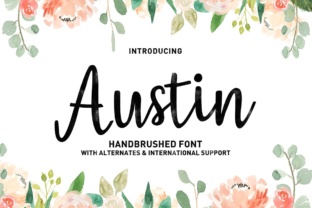
I was staring at a blank canvas on my screen, trying to design the perfect label for a new line of artisanal soy candles. The wax had just set in the jars, smelling faintly of lavender and vanilla, but the branding felt flat. I needed something that screamed "handmade luxury" without looking cluttered or overly traditional. That’s when I pulled up Austin, a modern script font with an irregular baseline. As soon as I typed out the word "Candle," the letters seemed to dance across the mockup, instantly elevating the entire aesthetic from generic craft store to high-end boutique. This isn't just another decorative typeface; it is a tool that bridges the gap between digital convenience and analog charm.
Why Austin Works Best for Wedding Invitations and Elegant Branding
When you are designing for weddings, every pixel counts because your audience expects perfection mixed with personality. Austin delivers exactly that with its trendy and feminine style. Unlike rigid calligraphy fonts that can feel stiff or outdated, this Script Handwritten typeface mimics the natural flow of a pen moving across paper, complete with slight variations in stroke weight that add authenticity. In my testing, I used it for a bride’s welcome board and RSVP cards. The irregular baseline gives it a relaxed, organic feel that pairs beautifully with minimalist floral illustrations or watercolor backgrounds. It feels personal, which is crucial for emotional purchases like wedding stationery. For makers selling digital downloads or physical invitations, using Austin helps create a cohesive brand identity that feels curated rather than copied. It signals to the buyer that attention to detail matters, increasing the perceived value of the final product.
How Austin Elevates Product Labels and Packaging Design
For small business owners, packaging is often the first physical touchpoint a customer has with their brand. I tested Austin on various materials, including kraft paper tags, glossy sticker sheets, and matte labels for skincare products. The font’s impressive script nature stands out clearly even on textured surfaces, provided the contrast is managed well. Because it is a display option, it works best for short phrases—think "Handcrafted," "Gift," or a simple brand name. I found that placing Austin alongside a clean sans serif font for ingredient lists or care instructions created a perfect balance. The script grabs attention and sets the mood, while the neutral body text ensures readability. This combination is essential for product packaging where both aesthetics and compliance matter. When customers see a label designed with a premium font like Austin, they subconsciously associate the product quality with the effort put into its presentation.
Using Austin for Stickers, Digital Printables, and Wall Art
The versatility of Austin extends far beyond print. I downloaded Austin to create a series of planner stickers and printable wall art for my online shop. The file formats included were versatile enough to work seamlessly in both Adobe Illustrator and Cricut Design Space. For digital planners, the handwritten style adds a cozy, approachable vibe that encourages users to engage with their schedules. On wall art, however, context is key. I discovered that Austin shines brightest as a focal point. A single word or a short inspirational quote rendered in this font looks stunning framed against negative space. However, I advise against using it for dense text or long paragraphs. Its decorative nature makes it less suitable for reading-heavy content. Instead, use it for titles, headers, or standalone artistic pieces. For Etsy sellers and creative entrepreneurs, these designs sell not just as fonts, but as ready-made decor solutions that save buyers time while offering a unique look.
Readability Tips for Cutting Machines and Small Merchandise
If you are a maker who uses cutting machines like Silhouette or Cricut, you know that not all fonts translate well to vinyl or cardstock. I tested Austin on tiny mug decals and shirt transfers. While the font is beautiful, its irregular baseline and connected letters can sometimes cause issues if scaled too small. For example, when creating names for personalized gifts, I found that keeping the letter spacing generous prevented the loops and tails from merging together. If you are designing for small merchandise items, consider simplifying the design by using only the uppercase letters or breaking the word into two lines. Also, always check the included styles and alternates. Many modern scripts offer swashes or alternate characters that can help customize the look for specific projects. By tweaking these elements, you can ensure that your cut files remain crisp and legible, even on curved surfaces like tumblers or tote bags. This level of customization is what separates amateur designs from professional-grade commercial products.
Font Pairing Strategies for Cohesive Shop Branding
No font exists in isolation, and finding the right partner for Austin is half the battle. Since Austin is a Script Handwritten font with strong visual personality, it needs a calm companion. I recommend pairing it with a simple serif font for editorial-style layouts or a bold sans serif font for modern, impactful graphics. In my recent project designing a seasonal holiday tag collection, I paired Austin with a clean geometric sans serif for the "Happy Holidays" greeting. The contrast made the script pop without overwhelming the eye. This strategy applies to web design, social media graphics, and email newsletters as well. Consistent font pairing builds trust and recognition. When customers see your signature script next to your reliable body text, they begin to recognize your brand instantly. Remember to check the multilingual support before committing to a full brand kit, especially if you plan to expand your shop internationally. Ensuring that both fonts support the same character sets will save you headaches down the road.
Final Considerations for Commercial Use and Licensing
Before you start printing thousands of shirts or selling digital templates, it is vital to review the commercial font licensing terms. Fonts like Austin are powerful assets, but they come with legal responsibilities. Ensure you understand whether the license covers physical goods, digital downloads, or both. Some licenses restrict the number of end-products or require attribution. For most handmade sellers, a standard commercial license allows you to use the font on items you sell, but it usually does not allow you to resell the font file itself. Always keep a record of your purchase receipts. Investing in a high-quality, well-designed typeface like Austin pays off in the longevity and professionalism of your brand. It transforms ordinary products into desirable experiences, making it a worthwhile addition to any creator’s toolkit.